

Your refrigerator runs continuously, so small problems with airflow, door sealing, temperature control, or drainage can affect its performance over time.
Routine maintenance cannot prevent every failure, but it can help the refrigerator operate as designed and make it easier to notice developing problems before they become more serious.
This guide focuses on maintenance homeowners can safely perform themselves. Always follow the instructions for your specific refrigerator model.
Why Refrigerator Maintenance Matters
Refrigerators depend on proper airflow, temperature control, door sealing, and other systems to operate as designed.
Routine maintenance cannot prevent every component failure, but it can help keep the refrigerator operating properly and make it easier to notice changes in performance, leaks, unusual frost, or other developing problems.
Routine Refrigerator Maintenance
1. Keep the Interior Clean
Why it matters: Keeping the interior clean helps prevent odors, keeps vents and air passages unobstructed, and makes spills or leaks easier to notice.
How to do it:
Remove food and other items as needed to clean shelves and drawers
Wipe down surfaces using a cleaning method appropriate for your refrigerator
Clean door gaskets with warm, soapy water unless the manufacturer specifies otherwise
Dispose of expired or spoiled food
Organize contents so interior air vents are not blocked and cold air can circulate
Follow the cleaning instructions for your specific refrigerator, particularly for specialty surfaces, drawers, and removable components.
2. Inspect the Door Seals
Why it matters: A damaged, dirty, or poorly sealing door gasket can allow cold air to escape and may cause the refrigerator to run more than necessary.
Inspect the refrigerator and freezer door gaskets for:
tears or visible damage
food residue or buildup
gaps or areas that do not appear to seal properly
deformation that prevents the door from closing correctly
Keep the gaskets clean according to the manufacturer’s instructions. If a gasket is damaged or the door does not seal properly after cleaning, further adjustment or repair may be needed.
3. Monitor Refrigerator and Freezer Temperatures
For food safety, Health Canada recommends keeping:
Refrigerator: 4°C (40°F) or lower
Freezer: -18°C (0°F) or lower
An appliance thermometer can help verify the actual temperature inside the refrigerator or freezer rather than relying only on the control setting.
If temperatures remain outside the recommended range despite appropriate settings and normal use, further diagnosis may be needed.
Condenser Area Maintenance
Check Accessible Condenser Areas When Recommended
Why it matters: On refrigerators with accessible condenser coils or ventilation areas, dust and pet hair can restrict airflow. However, condenser design varies by refrigerator, and not every model requires routine homeowner coil cleaning.
Check the owner’s manual to determine whether your refrigerator has a condenser area intended for homeowner cleaning and how the manufacturer recommends maintaining it.
If cleaning is recommended for your model:
Follow the manufacturer’s safety instructions before beginning
Locate the condenser area according to the owner’s manual
Use the cleaning method and tools recommended by the manufacturer
Gently remove accessible dust, pet hair, and debris
Keep the surrounding ventilation area unobstructed
The appropriate cleaning interval depends on the refrigerator design, operating environment, and manufacturer’s recommendations. Homes with pets or heavier dust accumulation may require more frequent inspection, but follow the guidance for your specific model.
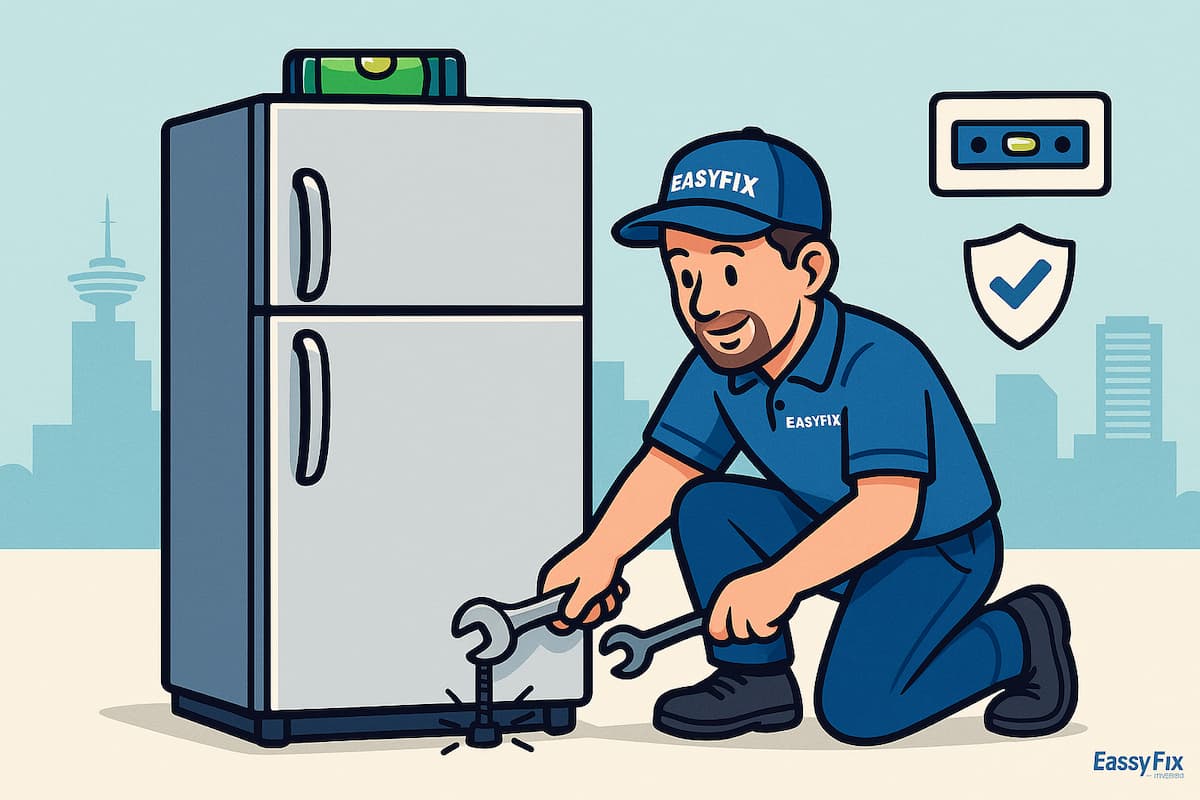
Check Refrigerator Leveling and Installation
Why it matters: Proper installation can affect door operation and other refrigerator functions. Leveling requirements vary by model, so the refrigerator should be installed and adjusted according to the manufacturer’s specifications.
Possible signs of an installation or leveling issue can include:
Doors that do not close or align properly
An appliance that rocks or is visibly unstable
Unusual door movement
Installation-related drainage or alignment problems
How to check:
Make sure the refrigerator is stable and positioned according to the installation instructions
Check the manufacturer’s instructions for the required leveling procedure
Adjust the leveling feet or rollers only as specified for your model
After adjustment, confirm that the doors open, close, and seal properly
Do not assume that every refrigerator should have the same front-to-back tilt. Installation and leveling specifications vary by model.
Water Filter Maintenance
Replace Water Filters as Recommended
Why it matters: On refrigerators equipped with a water filter, replacing the filter according to the manufacturer’s recommendations helps maintain proper water flow and filtration performance.
Replacement intervals vary by refrigerator, filter type, water usage, and manufacturer. Follow the interval specified for your refrigerator or the filter indicator when applicable.
General filter replacement steps:
Locate the filter according to the owner’s manual
Follow the manufacturer’s instructions for removing the old filter
Install the correct replacement filter for your refrigerator
Flush the new filter using the amount of water specified by the manufacturer
Reset the filter indicator if required
If water or ice production remains unusually slow after replacing the filter, further diagnosis may be needed.
Manual-Defrost Freezer Maintenance
Defrost According to the Manufacturer’s Instructions
Manual-defrost freezers require periodic defrosting as frost accumulates. The appropriate time and procedure can vary by model, so follow the instructions provided by the manufacturer.
A typical manufacturer-approved procedure may involve:
Removing or safely storing the food
Disconnecting power as directed
Protecting the surrounding area from melting water
Allowing the frost to melt naturally
Cleaning and drying the interior before restarting the appliance
Never use knives, screwdrivers, or other sharp objects to chip or remove ice. These can damage internal surfaces or refrigeration components.
Energy-Efficient Refrigerator Use
Proper use and organization can help the refrigerator maintain temperature and airflow without unnecessary energy consumption.
Organize Food Without Blocking Airflow
Avoid packing the refrigerator so tightly that cold air cannot circulate properly
Keep interior air vents unobstructed
Store similar items together when practical
Keep frequently used items reasonably accessible to reduce unnecessary door-open time
Store food and liquids according to food-safety and refrigerator-manufacturer recommendations
Good airflow inside the refrigerator helps maintain more consistent temperatures throughout the compartment.
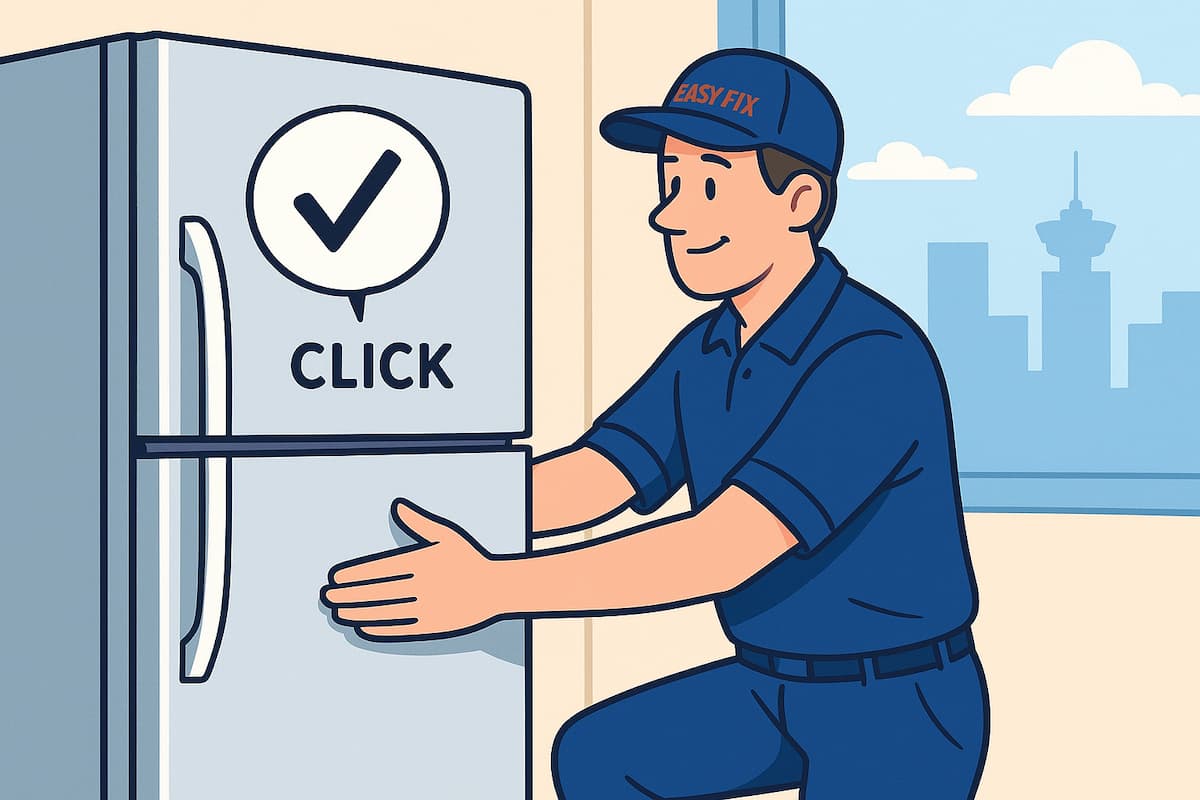
Reduce Door Opening Time
Avoid leaving the refrigerator door open longer than necessary. Organizing frequently used items so they are easy to find can help reduce unnecessary door-open time.
Organization strategies:
Label leftovers with dates
Use clear containers for visibility
Rotate older items to the front
Organize frequently used items so they are easy to find
Warning Signs That May Require Further Diagnosis
While routine maintenance can help reduce some avoidable problems, certain symptoms may indicate that further diagnosis or professional service is needed.
Watch for:
Excessive frost buildup that returns soon after being cleared
Water pooling under or around the refrigerator
Unusual noises such as grinding, squealing, or unusually loud operation
Temperature problems that persist despite appropriate settings
Operating changes such as running much more than usual or failing to run when cooling is needed
Safety First
Internal electrical faults, high-voltage components, refrigerant and sealed-system work, compressor-related repairs, and repairs requiring substantial disassembly or specialized testing should be handled by someone with the appropriate training and qualifications.
For refrigerators with connected features, basic app, Wi-Fi, or account troubleshooting can usually be performed according to the manufacturer’s instructions. Problems involving internal electronic components may require further diagnosis.
Connected Refrigerator Features
For refrigerators with Wi-Fi, apps, touchscreens, or other connected features, follow the manufacturer’s instructions for software updates, connectivity, and display care.
Useful practices include:
Enable automatic software updates when supported and recommended by the manufacturer
Record or photograph displayed error codes before resetting the appliance
Clean touchscreens using the method recommended by the manufacturer
Follow the manufacturer’s troubleshooting instructions for app or Wi-Fi connectivity problems
Supporting Your Refrigerator’s Useful Life
Refrigerator lifespan varies considerably by model, usage, installation, operating conditions, maintenance, and repair history.
Good maintenance cannot guarantee how long a refrigerator will last, but proper use and attention to developing problems can help the appliance operate as designed.
Year-Round Best Practices
Maintain proper clearance: Follow the ventilation and installation clearances specified for your refrigerator. Required clearances vary by model and installation type.
Follow electrical requirements: Use the electrical supply and installation specified by the refrigerator manufacturer.
Pay attention to changes: Changes in cooling, noise, frost, leaks, or operation may indicate a developing problem that should be investigated.
Keep appliance information: Save the model and serial numbers, owner’s manual, purchase information, and applicable warranty details.
Follow manufacturer maintenance instructions: Perform the cleaning and maintenance recommended for your specific refrigerator rather than relying on a universal maintenance schedule.
For more information about typical appliance lifespans and the factors that affect them, see our appliance lifespan guide.
Environmental Impact and Efficient Operation
Proper refrigerator use and maintenance can also help reduce unnecessary energy consumption and premature appliance disposal.
Efficient operation: Keeping the refrigerator properly ventilated, maintaining door seals, and following the manufacturer’s maintenance instructions can help it operate as efficiently as the model was designed to operate.
Reduced waste: Extending the useful life of a repairable appliance can reduce premature appliance disposal.
Energy use: Proper operation can help avoid unnecessary electricity consumption.
Food storage: Maintaining appropriate refrigerator and freezer temperatures supports safe food storage and can help reduce avoidable food spoilage.
When to Repair vs. Replace
You may hear the “50% rule,” which says that an appliance should be replaced when a repair costs more than half the price of a new one. It can be a useful starting point, but it should not be treated as a universal rule.
When we help a customer evaluate a refrigerator, we look at the actual failure, age, overall condition, repair history, parts availability, repair cost, and the real cost of replacing the appliance.
An older refrigerator needing a relatively minor repair can still be worth fixing. A newer refrigerator with several expensive problems may be a different decision.
Diagnose the failure first, then compare the repair with the full replacement picture.
Factors That May Support Replacement
Replacement may make more sense when several factors point in the same direction, such as:
a history of repeated significant repairs
multiple developing problems
an expensive repair relative to the refrigerator’s overall condition and replacement cost
required parts that are discontinued or unavailable
replacement offering meaningful advantages that matter to the homeowner
additional repairs likely being needed based on the appliance’s overall condition
Age alone should not determine the decision. The failed component, condition of the refrigerator, parts availability, repair history, and full replacement cost should be considered together.
Conclusion: Your Refrigerator Maintenance Action Plan
By following the maintenance instructions for your refrigerator and paying attention to changes in cooling, noise, frost, leaks, or door sealing, you give the appliance the best chance to operate properly and make developing problems easier to notice.
Maintenance cannot guarantee a particular lifespan or prevent every repair. The goal is to reduce avoidable problems and recognize genuine failures when they develop.
Need Professional Refrigerator Repair?
If cooling problems, leaks, unusual noises, excessive frost, or other symptoms persist after appropriate basic checks, further diagnosis may be needed.
EasyFix provides professional refrigerator repair for major refrigerator brands throughout our service area. Our appliance repair technicians can diagnose the problem, explain what has failed, and discuss the repair options before work proceeds.
Same-day or next-day appointments are often available, depending on schedule.